Are you ready to grow up your business? Contact Us
Email Address: info@billingmedtech.com
Are you ready to grow up your business? Contact Us
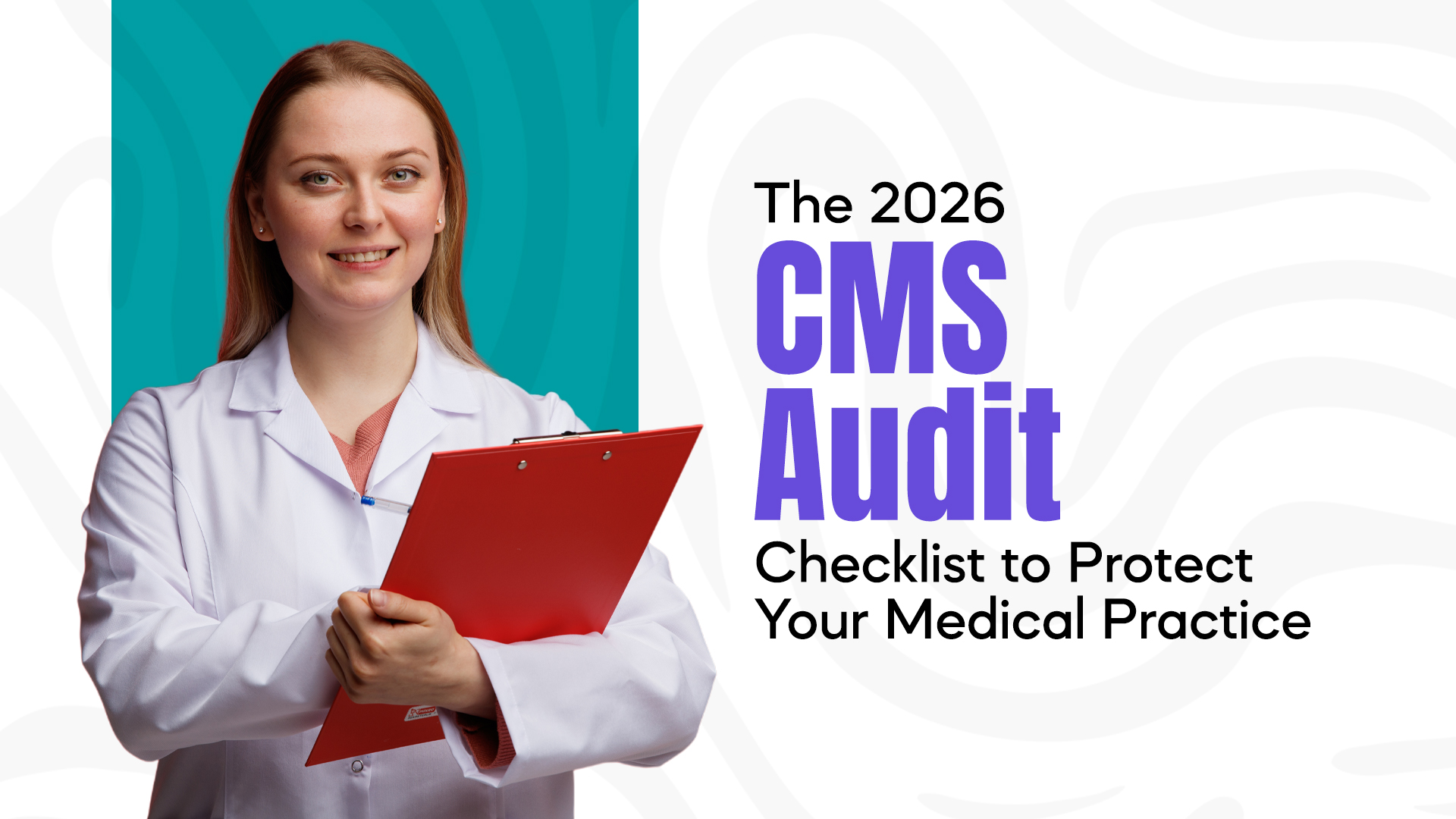


In 2026, CMS audits are becoming more detailed and frequent across all types of medical practices. No matter the size of your clinic, understanding how to prepare can save your practice time, money, and stress. A structured CMS Audit Checklist 2026 ensures your documentation, coding, and billing processes are accurate and compliant before an audit occurs.
CMS audits often do not indicate wrongdoing; they usually arise from documentation gaps, inconsistent coding, or outdated billing practices. Most audit issues can be avoided with proper preparation and routine internal checks. Following a comprehensive checklist allows practices to operate confidently while reducing the risk of payment recoupments.
CMS is increasingly using data analytics to spot unusual billing trends. Practices showing high usage of certain codes, frequent modifier application, or inconsistent documentation are more likely to be reviewed. Additionally, CMS audits are now closely linked to value-based care models, risk adjustment accuracy, and verification of medical necessity. Clinics that do not update their processes to reflect these changes face a higher risk of audit findings.
The first step in preparation is to ensure that all provider information in PECOS and Medicare enrollment records is accurate. Errors in NPI numbers, taxonomy codes, or revalidation dates can delay payments and trigger audits. Practices should also promptly update any organizational changes, such as practice ownership or provider status, to maintain compliance.
CMS places significant importance on documentation that supports the medical necessity of every billed service. Notes should clearly explain why a service was provided, linking the patient’s condition to the treatment. Avoid generic templates or copy-pasted notes, as these increase the likelihood of audit scrutiny. Proper documentation is the strongest defense during any CMS review
To stay compliant with CMS expectations this year, providers must ensure their documentation supports the specific levels of medical decision-making or time spent during a patient encounter. Regular internal audits of coding habits are essential to mitigate the risks of over-billing or under-billing, both of which can result in lost revenue or federal recoupment efforts.
Incorrect use of modifiers such as 25, 59, or X modifiers can trigger CMS audits. Each modifier must be justified with proper documentation showing medical necessity. Practices should perform routine internal reviews to ensure modifier usage is accurate and compliant with CMS expectations.
Accurate ICD-10 coding is crucial for reimbursement, quality reporting, and risk adjustment. CMS auditors review whether diagnoses are current, supported by documentation, and correctly linked to billed services. Misreporting, upcoding, or outdated diagnosis codes can result in repayment requests. Practices should ensure diagnoses are updated regularly and correctly reflect patient conditions.
Claims submitted without proper prior authorization are a common audit issue. Practices must maintain records of authorizations, approvals, and the dates of validity. Keeping thorough documentation prevents denials and protects reimbursement, even when services are medically necessary.
Proactive internal audits help practices catch errors before CMS does. Regularly reviewing claims, coding, and documentation allows teams to correct mistakes and improve compliance. Internal audits also demonstrate good faith efforts, which can be favorable during formal CMS audits.
Billing staff and clinicians must stay updated on CMS rules. Many audit findings result from staff following outdated procedures. In 2026, CMS expects practices to actively maintain knowledge of coding, documentation, and billing updates. Routine training ensures everyone is aligned with current requirements.
Even the most compliant practices can be audited. Having a clear workflow for responding to CMS requests, including document retrieval and submission timelines, ensures audits are handled efficiently. Being prepared reduces the risk of payment delays or recoupments.
CMS audits in 2026 are data-driven and comprehensive, but most risks can be prevented with careful preparation. Following a structured CMS Audit Checklist 2026 helps medical practices protect revenue, maintain compliance, and operate confidently. Proactive review of documentation, coding, and billing processes is always more effective than reacting after an audit notice.

Ready to optimize your revenue cycle? Our team is here to help. Contact us for a free consultation and see how Billing MedTech can make a difference for your practice.

© Billing MedTech. All Rights Reserved
In today’s fast-paced digital era, where technology continuously reshapes the future of businesses, organizations need a trusted partner who can deliver innovation with reliability. That’s where Billing MedTech comes in.
 Cardiology
 Chiropractic
 Dermatology
 Gynecology
 Home Health
 Hospital
 Mental Health
 Nephrology
 Oncology
 Ophthalmology
 Pediatrics
 Physical Therapy
 Podiatry
 Radiology
 Emergency Room
 Urgent Care
 Urology